
When it comes to laying heavy-duty electrical cables, you can’t rely on brute force alone. This is where specialized machinery like cable pullers and cable conveyors comes in. While they may seem similar, they perform very different roles and often work together to get the job done right.So, what exactly sets them apart? Let’s break down the key differences.

Think of a cable puller as the primary engine for the entire operation. Its main job is to pull the cable from one end of the installation path to the other.
How it works: A puller uses a powerful winch and a steel wire rope, which is attached to the cable with a pulling grip. The machine then winds the rope, creating a strong, steady force to overcome the cable’s weight and friction along the route.
Main function: To provide the initial and continuous pulling force needed to lay the cable.
Without a cable puller, it would be nearly impossible to install long, heavy cables through conduits, tunnels, or complex underground channels.
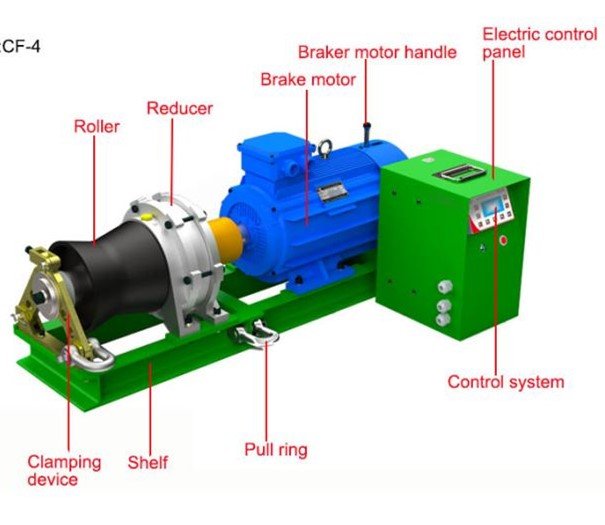
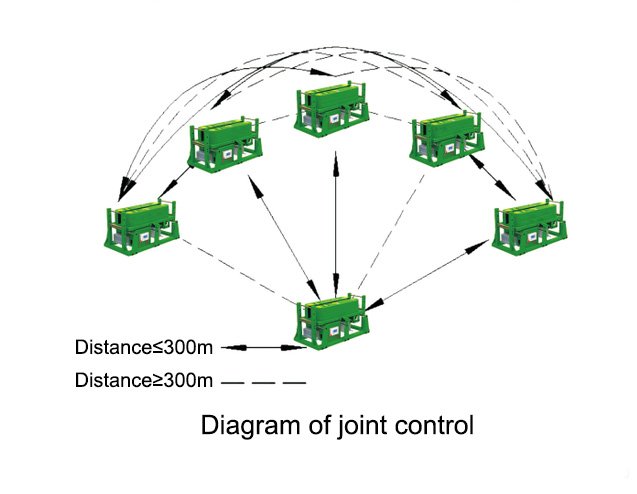
A cable conveyor is not a puller; it’s a pusher. Its role is to assist the puller by actively propelling the cable forward from various points along the installation path.
How it works: A conveyor uses a series of motorized tracks or rollers that grip the cable and gently push it in the right direction. It essentially “feeds” the cable into the conduit.
Main function: To distribute the pulling force and reduce friction.
In a long or challenging installation, the friction and strain on the cable can become immense. By placing multiple conveyors along the route, you relieve this tension, preventing damage to the cable jacket and its internal structure

Imagine you’re trying to pull a very long rope through a winding pipe.
The cable puller is the person at the end of the pipe, pulling as hard as they can.
The cable conveyors are the people you place in the middle, helping to push the rope and reduce the effort required by the person at the end.
This “one puller, many pushers” strategy is the most effective way to install modern high-voltage and large-diameter cables safely and efficiently.
| Feature | Cable Puller | 케이블 컨베이어 |
| Action | Pulls the cable | Pushes the cable |
| Role | Main traction force | Auxiliary friction reducer |
| Typical Use | Primary machine at the end of the run | Spaced out along the path to assist the puller |
| Benefit | Overcomes gravity & friction | Prevents cable damage from excessive pulling force |
By understanding the distinct functions of both machines, professionals can plan their cable-laying projects with greater safety and precision.


견적 문의는 저희에게 연락주세요.
당사 수출 관리자가 영업일 기준 1일 이내에 연락을 드리겠습니다. 이메일 주소 jerry@cabletug.com을 참고해 주시기 바랍니다.
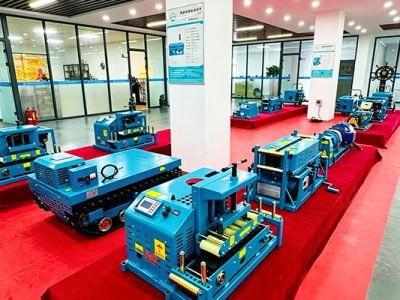
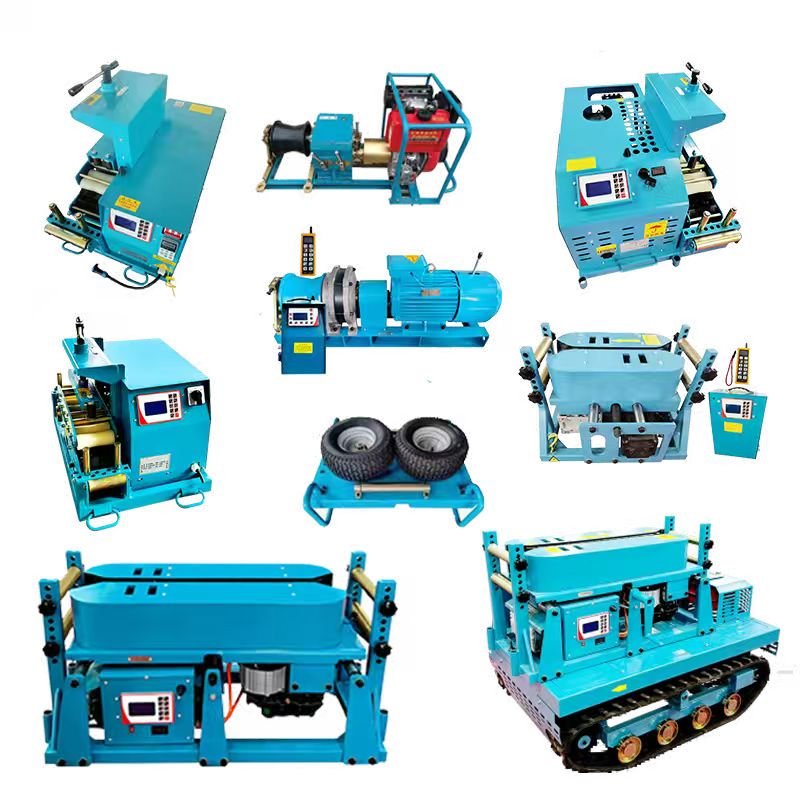
케이블 컨베이어나 케이블 풀링 머신을 찾고 계시다면, 저희는 귀하에게 딱 맞는 솔루션을 제공해 드립니다.
 Korean
  English
  Arabic
  Portuguese
  German
  Spanish
  Russian
  Japanese